Why Passwords Matter
Weak passwords are a top security risk for small businesses. Cybercriminals know that small companies often lack strong defenses. One hacked account can lead to data breaches, financial loss, and damage to your reputation.
Small businesses are targeted more often than you might think. Hackers look for easy access, and reused or simple passwords make it easy for them. Protecting your accounts with strong passwords is the first and easiest step in defending your business.
What Makes a Strong Password?
A strong password has three main qualities:
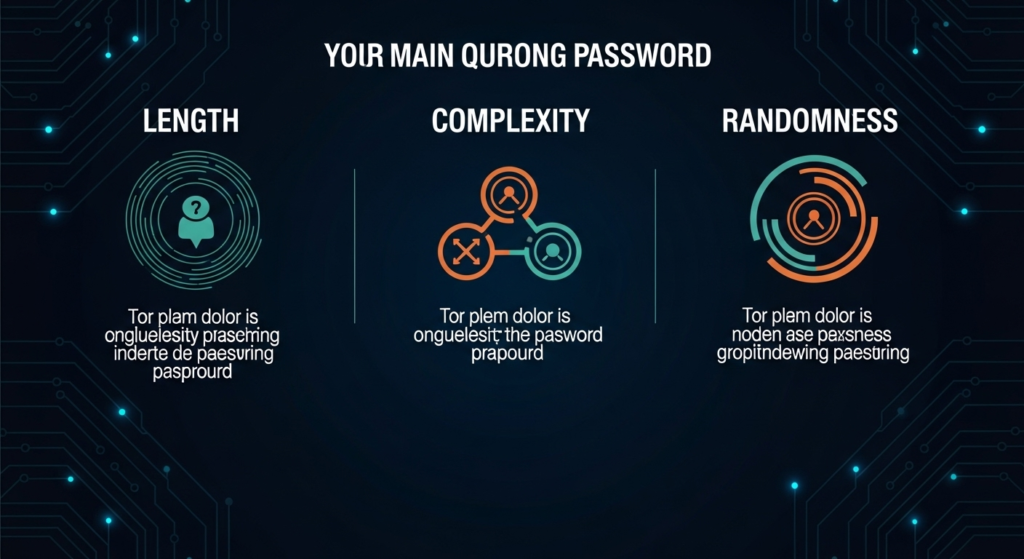
- Length: Use at least 12–16 characters. Longer passwords are much harder to crack.
- Complexity: Mix uppercase letters, lowercase letters, numbers, and special symbols. Avoid simple patterns like
123456orqwerty. - Randomness: Don’t use birthdays, names, or common words. Random combinations make passwords unpredictable.
✅ Example: Instead of password123, try C0mpl3x!Biz2023$.
Using a mix of letters, numbers, and symbols makes it harder for hackers and automated tools to guess your passwords.
How to Protect Your Business
Here are practical steps every small business owner can take:
- Use a Password Manager – Tools like LastPass or 1Password generate and store complex passwords safely. This avoids using the same password across multiple accounts.
- Enable Multi-Factor Authentication (MFA) – MFA adds an extra layer of protection. Even if someone gets your password, they still need a second factor like a code from your phone or an authentication app.
- Update Passwords Regularly – Change passwords at least every 3–6 months. Regular updates reduce the risk from old or leaked passwords.
- Avoid Reusing Passwords – Each account should have a unique password. If one account is hacked, others remain secure.
- Secure Sensitive Accounts First – Start with email, financial accounts, cloud storage, and admin accounts. These are the most targeted by hackers.
Train Your Employees
Your employees are the first line of defense. Poor password habits often lead to breaches. Train your team to:
- Create strong, unique passwords.
- Recognize phishing emails and suspicious links.
- Understand the risks of weak passwords and how breaches can impact the company.
Regular workshops, short online courses, or even simulated phishing exercises can help employees understand the importance of strong passwords. Making password security part of your business culture is key to reducing risks.
Extra Tips for Small Businesses
- Use Passphrases: Longer, easy-to-remember phrases like
SunnyDay!Coffee@9AMcan be stronger than short, random strings. - Limit Login Attempts: Prevent brute force attacks by limiting failed login attempts on accounts.
- Monitor for Breaches: Use tools like “Have I Been Pwned” to check if your accounts are exposed in data leaks.
- Secure Wi-Fi Networks: Ensure your business Wi-Fi is encrypted with a strong password and hidden from public view.
Final Thoughts
Strong passwords are more than a tech requirement—they are critical to business survival. By implementing password managers, MFA, regular updates, and training employees, small business owners can dramatically reduce the risk of cyberattacks.
Remember, cybersecurity is a team effort. Strong passwords protect not just your accounts, but your customers, finances, and reputation. Start today and make strong passwords a core part of your business strategy.